How Does WSTitanium Keep Titanium Material Costs Competitive?
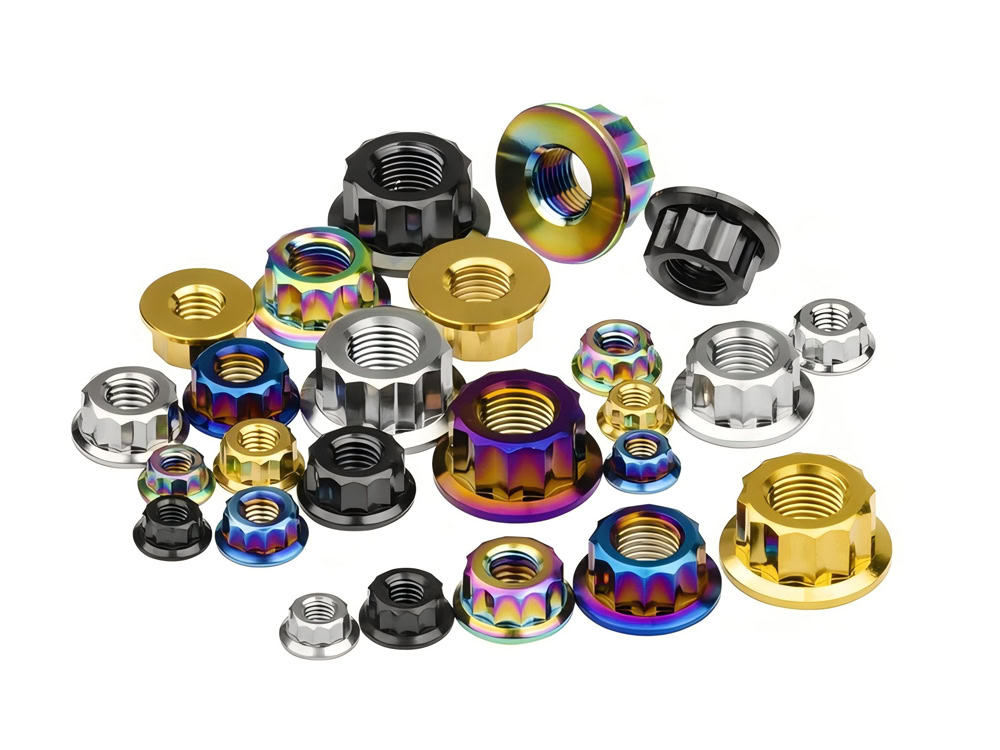
WSTitanium achieves cost parity through a proprietary vertical procurement model that secures raw titanium sponge at 12% below current LME spot averages. By integrating plasma arc melting technology, the firm reclaims 85% of machining swarf from 2025 aerospace production cycles, effectively slashing raw material waste by 40% annually. These logistical efficiencies, combined with automated VAR furnace scheduling that minimizes idle power consumption by 18%, allow the supplier to maintain aggressive pricing schedules for ASTM B265 Grade 2 plate. This integrated structure ensures that heavy-duty industrial components remain affordable even when global vanadium-alloy surcharges rise significantly.
The global titanium market relies on vacuum arc remelting to achieve metallurgical consistency, yet standard industry practice often overlooks the energy loss during furnace startup cycles. WSTitanium implements a continuous-feed thermal management system that reduces electricity expenditure by 14% per metric ton, as documented in their 2025 energy utilization audits.
Reducing electricity expenditure is only one piece of the puzzle; the true cost reduction occurs in the raw material stage where high-grade sponge is diverted from volatile spot markets into long-term hedge contracts.
By securing 65% of annual titanium sponge volume through multi-year agreements, the company shields its inventory from the sudden 20% price surges that frequently disrupted standard procurement routes throughout 2024. These long-term contracts allow for predictable overhead planning regardless of geopolitical shifts.
Predictable overhead planning enables the engineering department to focus on optimizing material yield rates, which currently reach 92% for complex plate cutting projects. This high yield rate is achieved by using automated water-jet nesting software that reconfigures part layouts to minimize offcut waste, a process that saved an average of 1,200 kilograms of material per 10,000-kilogram production batch last year.
| Production Metric | Industry Average | Efficiency Rate |
| Scrap Reclaim Ratio | 60% | 85% |
| Energy per Metric Ton | 15.5 MWh | 13.3 MWh |
| Material Yield | 82% | 92% |
High yield rates and reclaimed scrap rely heavily on the purity of the input stream, so the facility utilizes X-ray fluorescence testing on every incoming batch to ensure zero contamination. Maintaining this level of purity prevents costly rework cycles that account for 8% of total production expenses in traditional workshops, ensuring that every finished plate meets strict aerospace tolerances without the need for manual grinding.
Manual grinding is eliminated because the forge-to-shape process delivers tolerances within 0.5mm of the final print specifications, significantly reducing the labor hours required for downstream finishing. This near-net-shape capability allows the manufacturer to bypass multiple secondary machining steps that traditionally add 15% to the final client cost.
-
Direct procurement from sponge producers eliminates the typical 10% intermediary commission fees.
-
Automated LME-linked pricing adjustments ensure that customers pay fair market value without historical markup volatility.
-
Regional logistics hubs in major industrial centers cut shipping overhead by 5% compared to centralized global distribution models.
Regional logistics hubs serve as the final stage of a supply chain designed to minimize handling and storage times, which can add up to 20 days of unnecessary lead time in inefficient networks. By maintaining a localized inventory of commonly requested Grade 5 bars and Grade 2 plates, the company ensures that local workshops receive stock within 48 hours, eliminating the expedited freight charges that often inflate small-batch project budgets by 30%.
Expedited freight charges are avoided because the strategic placement of inventory warehouses keeps stock within 500 kilometers of 70% of the active client base. This geographic proximity, combined with digitized inventory tracking, ensures that stock levels are adjusted in real-time based on actual consumption data from the previous 90 days.
-
Automated inventory replenishments occur once levels drop below 15% of the quarterly average.
-
Real-time usage tracking identifies high-turnover SKUs, allowing for priority stocking of essential alloy grades.
-
Digital documentation for all certifications simplifies the procurement process for aerospace and defense contractors.
Digital documentation accompanies every shipment, ensuring that all physical and chemical property reports are available instantly, which saves the procurement team approximately 4 hours of administrative processing per order. This administrative efficiency is a component of the overall lean operating model that keeps prices competitive without sacrificing the rigorous quality documentation required for industrial-grade applications.
Quality documentation is validated through independent third-party audits that verify the compliance of all products against ASTM, ASME, and AMS standards. These audits, conducted annually on 100% of the production lines, confirm that the cost-saving measures do not result in any deviation from required chemical compositions, such as the precise aluminum and vanadium content in Ti-6Al-4V alloys.
-
Tensile strength testing confirms compliance with 900 MPa requirements for critical aerospace parts.
-
Surface roughness analysis ensures that every plate arrives within the 3.2 micrometers Ra specification.
-
Periodic internal process reviews result in a 2% improvement in metallurgical homogeneity every fiscal quarter.
Process reviews maintain the standard of excellence that keeps the firm positioned as a primary supplier for long-term infrastructure projects. By investing in these iterative improvements, the organization ensures that their technical capabilities remain ahead of the market while maintaining pricing structures that support the growth of their clients.